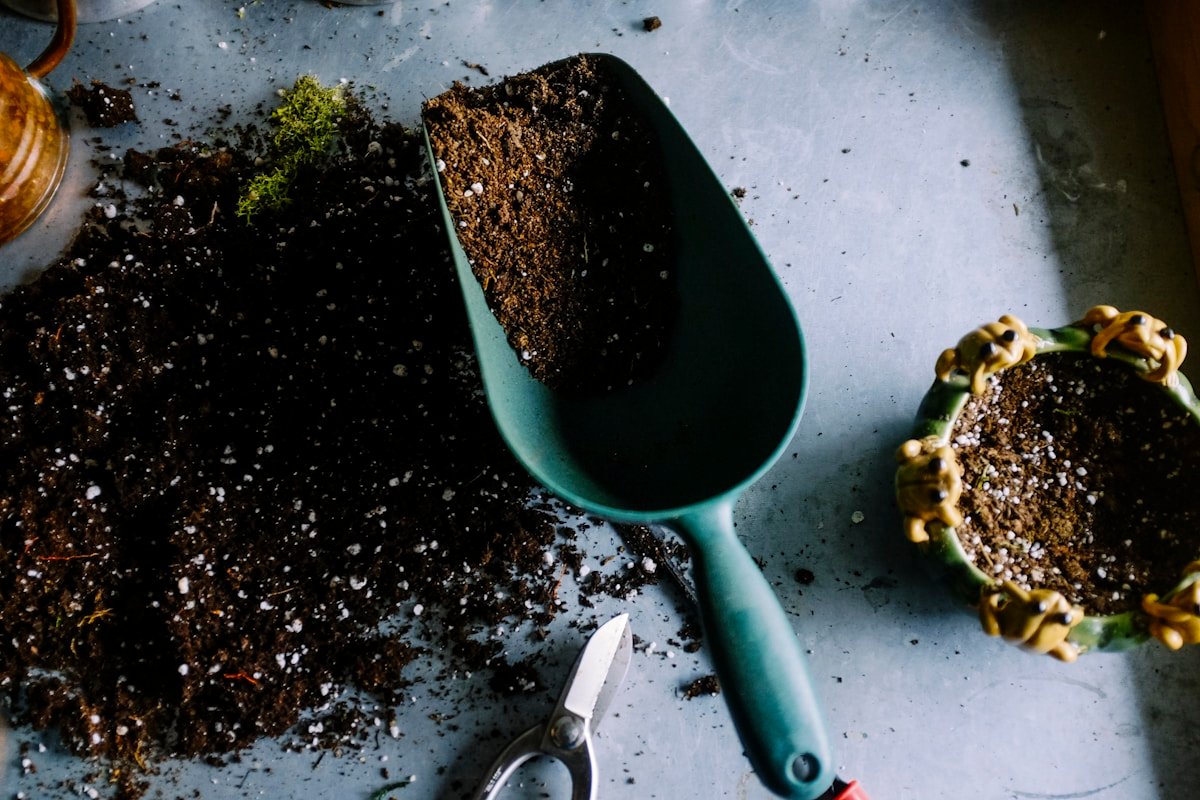
You do not need a sprawling multi-acre rural homestead to experience the extraordinary joy of growing your own crisp vegetables, fragrant culinary herbs, and sun-sweetened patio fruits. In reality, some of the most productive, disease-resistant, and aesthetically magnificent gardens in the world exist entirely within the compact confines of urban balconies, rooftop terraces, concrete courtyards, and modest suburban wooden decks.
Container gardening is not a compromised, second-best alternative to in-ground agriculture; in numerous ways, it is distinctly superior. In containers, you completely bypass toxic contaminated city soils, escape subterranean root nematodes, avoid destructive underground burrowing rodents, and hold absolute, granular control over every single variable: soil porosity, moisture levels, fertility rates, and solar orientation.
However, growing successfully in containers requires understanding a fundamental botanical truth: a plant confined to a pot is entirely dependent upon you for its survival. Unlike in-ground plants whose roots can delve feet into the subsoil in search of hidden groundwater, a potted plant lives within a finite ecological island. Here is the master blueprint to cultivating an extraordinarily productive, bountiful container food garden on any patio, balcony, or deck.
Key Takeaways & Quick Summary
- Container volume is life: always choose the largest container possible to buffer root systems against rapid temperature swings and dehydration.
- Drainage holes are non-negotiable: drilling multiple generous drainage ports prevents catastrophic anaerobic root rot in heavy rains.
- Never use dense garden soil: formulate an open, soilless potting mix of peat moss/coir, perlite, and premium compost to maximize root oxygenation.
- Watering dynamics: container plants require frequent, deep watering and consistent organic fertilizer replenishment due to nutrient leaching.
- Vertical stacking and trellising: unlock triple the yield in small spaces by training vining varieties upward on bamboo teepees and wall trellises.
Vessel Selection Engineering: Materials, Volumes, and Drainage Dynamics
The Critical Importance of Container Volume
The single most devastating error committed by novice container gardeners is selecting vessels that are far too small. A miniature terracotta pot might look charming on a garden center shelf, but under the blazing intensity of mid-summer sun, a small volume of potting soil bakes, dries out in hours, and causes delicate feeder roots to overheat and die.
As a foundational guideline, always select the largest container your space and structural load capacity can comfortably support. Fruiting crops like indeterminate tomatoes, sweet bell peppers, and eggplants demand a minimum soil volume of 5 to 10 gallons per plant (a container diameter of 14 to 18 inches and a minimum depth of 12 inches). Compact bush varieties, chard, and kale thrive in 3- to 5-gallon pots, while shallow-rooted culinary herbs, radishes, and leafy lettuces can flourish in 1- to 2-gallon planters.
Calculate the structural weight of large containers on elevated wooden balconies. Fully saturated potting soil weighs approximately 60 to 75 pounds per cubic foot. On elevated timber decks, distribute heavy 15-gallon ceramic pots near structural support beams or exterior ledger boards rather than concentrating mass in the center of long floor joist spans.
Evaluating Vessel Materials: Terracotta vs. Fabric vs. Glazed Ceramic
The material composition of your container dramatically dictates moisture retention and root respiration. Traditional unglazed terracotta is porous, allowing moisture to evaporate laterally through the clay walls. While excellent for Mediterranean herbs (rosemary, thyme, oregano) that loathe wet feet, terracotta dries out rapidly during summer heatwaves, demanding twice-daily watering for thirsty crops.
Breathable fabric grow bags (manufactured from non-woven geotextile felt) represent a monumental breakthrough in container gardening technology. Unlike rigid plastic pots—where expanding roots hit smooth walls, circle perpetually, and become root-bound—fabric pots promote ‘air pruning.’ When root tips reach the breathable fabric edge, they are exposed to air, naturally terminating and stimulating the plant to branch hundreds of new microscopic feeder roots throughout the internal soil core.
Glazed ceramic and heavy-duty double-walled UV-stabilized polyurethane containers offer superior thermal insulation and exceptional moisture retention. Their non-porous exterior shields root systems against scorching summer winds, making them ideal anchor planters for patio citrus trees, dwarf figs, and fruiting blueberries.
The Golden Law of Unobstructed Drainage
A container lacking drainage holes is not a planter; it is a stagnant subterranean reservoir that will inevitably drown roots within weeks. When excess irrigation water cannot escape, it fills the microscopic voids between soil particles, expelling oxygen and creating an anaerobic environment where destructive Pythium and Phytophthora root rot fungi proliferate.
Ensure every container has at least three to four 1/2-inch drainage holes drilled in its base. If you purchase decorative decorative planters with solid bottoms, use a masonry or spade drill bit to create ample drainage channels before adding soil.
Debunking a persistent garden myth: never add a layer of gravel, broken pottery shards, or styrofoam peanuts to the bottom of pots ‘for drainage.’ Soil physics demonstrates that water does not move easily from fine-textured potting mix into coarse gravel until the entire upper soil column is completely saturated, creating a ‘perched water table’ that actually elevates the moisture line directly into the delicate root zone.
Editorial Pro Tip: When implementing vessel selection engineering: materials, volumes, and drainage dynamics, consistency in planning and respecting material integrity yields far greater longevity than rushing to complete the work. Prioritize safety, ergonomic comfort, and enduring quality.
The Soilless Growing Medium: Formulating Living Container Soil
Why Backyard Dirt Fails in Containers
Under no circumstances should you ever shovel soil from your yard or vegetable garden beds into pots and planters. In-ground native soil relies on earthworms, deep subterranean drainage fissures, and horizontal biological filtration to maintain porosity.
When native clay or garden silt is confined within the rigid walls of a container, the repeated impact of watering compacts the silt particles into an impenetrable, concrete-like slab. Drainage halts, roots suffocate from lack of atmospheric oxygen, and the plant ceases nutrient uptake.
Container cultivation demands a specialized ‘soilless’ potting mix that balances water retention with rapid, continuous porosity, allowing excess water to drain out the bottom in seconds while retaining an optimal reservoir of moisture and dissolved nutrients.
The Ultimate Organic Patio Potting Recipe
To achieve professional greenhouse-quality results, blend your own custom container soil using this proven formula: 40% pH-buffered coconut coir or screened sphagnum peat moss (for moisture sponge capacity), 30% coarse horticultural perlite or pumice (for continuous root aeration and drainage channels), and 30% premium screened organic worm castings and well-aged compost (for beneficial biological fertility).
Incorporate slow-release organic amendments into the initial dry blend: 1/2 cup of balanced organic granular fertilizer (such as 4-4-4 all-purpose vegetable feed), 1/4 cup of dolomitic lime or oyster shell flour (supplying essential calcium to prevent blossom end rot in tomatoes), and 2 tablespoons of mycorrhizal fungal inoculant directly at the root zone during planting to amplify water and mineral absorption.
Editorial Pro Tip: When implementing the soilless growing medium: formulating living container soil, consistency in planning and respecting material integrity yields far greater longevity than rushing to complete the work. Prioritize safety, ergonomic comfort, and enduring quality.
Watering Science and Nutrient Feeding Protocols
The Daily Hydration Rhythm in Summer
Because containers are surrounded by warm ambient air on all sides, soil temperatures within pots can rise 15 to 20 degrees higher than native ground soil, dramatically accelerating evaporation rates. During hot July and August weather, large mature fruiting plants may consume their entire moisture reservoir in less than twelve hours.
Establish a disciplined watering protocol. Water deeply early in the morning before midday sun reaches the patio. Apply water slowly and continuously until you see a steady trickle emerge from the bottom drainage holes, confirming that the entire soil column—from surface to base—is fully saturated.
Never water in short, shallow sips. Shallow watering encourages roots to cluster near the soil surface where they quickly desiccate and burn under intense afternoon sun. For busy professionals or travelers, install a simple micro-drip irrigation system connected to an outdoor hose bib timer, running 1/4-inch emitter lines directly to each container.
Nutrient Replenishment: Overcoming Container Leaching
Every time excess water drains out the bottom of a container, it carries water-soluble nitrogen, potassium, and trace minerals along with it. Consequently, container crops require more frequent, consistent nutritional replenishment than in-ground garden beds.
Adopt a ‘weakly, weekly’ feeding regimen. Every seven to ten days throughout the active growing season, drench your potted plants with a balanced organic liquid fertilizer blend—such as cold-processed hydrolysed fish emulsion and liquid kelp extract. Fish emulsion supplies immediate bioavailable nitrogen for robust leaf growth, while kelp supplies over 60 trace minerals and natural growth hormones that stimulate continuous blossoming and fruit setting.
Editorial Pro Tip: When implementing watering science and nutrient feeding protocols, consistency in planning and respecting material integrity yields far greater longevity than rushing to complete the work. Prioritize safety, ergonomic comfort, and enduring quality.
High-Yield Vertical Strategies and Companion Pairings
Growing Upward: Trellises, Cages, and Wall Systems
When horizontal patio square footage is limited, the only way to expand your harvest is to train crops upward into vertical air space. Indeterminate vining tomatoes, climbing pole beans, sugar snap peas, and miniature melons can produce massive yields when trained vertically against wall trellises, sturdy bamboo teepees, or heavy-duty cattle panel arches anchored directly into containers.
Prune vertical crops diligently. Remove non-fruiting lower suckers on tomato plants to maintain a single or double primary stem, allowing air to circulate freely through the foliage and reducing fungal humidity. Anchor climbing stems to supports using soft stretchy plant ties or natural jute twine, securing the stem every 10 to 12 inches as it ascends.
Polyculture Container Guilds
Maximize container efficiency by stacking companion plants with varied root depths within the same large vessel. In a 15-gallon container, plant a central staked heirloom tomato as the vertical canopy. Around its base, plant shallow-rooted sweet Italian Genovese basil and a perimeter border of cascading trailing nasturtiums.
The nasturtiums function as an edible living mulch, shading the soil to conserve moisture while acting as a sacrificial trap crop that lures aphids away from your prized tomatoes. The aromatic essential oils of the basil naturally deter thrips and hornworms while enhancing tomato flavor.
Editorial Pro Tip: When implementing high-yield vertical strategies and companion pairings, consistency in planning and respecting material integrity yields far greater longevity than rushing to complete the work. Prioritize safety, ergonomic comfort, and enduring quality.
Comparative Decision Matrix
Use this structured comparison to weigh critical options, material requirements, cost allocations, and long-term performance.
| Edible Crop | Minimum Container Size | Daily Sun Exposure | Ideal Companion Pairing | Expected Harvest Window |
|---|---|---|---|---|
| Patio Bush Tomatoes | 5 to 7 Gallons (12-14 in) | 6 – 8 Hours Direct Sun | Genovese Basil, French Marigolds | 65 – 75 Days; continuous summer harvest |
| Bell & Sweet Peppers | 5 Gallons (12 in deep) | 6 – 8 Hours Direct Sun | Italian Parsley, Chives | 70 – 85 Days; picks through autumn |
| Culinary Tuscan Kale | 3 Gallons (10 in deep) | 4 – 6 Hours Partial Sun | Rosemary, Thyme, Bush Beans | 45 – 60 Days; pick outer leaves continuously |
| Meyer Lemon (Dwarf) | 15 to 20 Gallons (Glazed) | 8+ Hours Full Sun Exposure | Trailing Sweet Alyssum | Year-round glossy evergreen; winter fruit |
| Everbearing Strawberries | 1 Gallon per plant (or Tower) | 6 Hours Morning Sunlight | Borage, Bush Spinach | May through October continuous berries |
Frequently Asked Questions
How do I prevent my patio containers from blowing over in strong winds?
Large foliage plants like staked tomatoes and dwarf fruit trees can act as sails in heavy gusts. Anchor tall containers by placing a layer of heavy smooth river stones in the bottom base before adding soil, or cluster heavy pots together against a solid exterior wall. You can also anchor trellises securely to deck railings with heavy-duty zip ties.
Can I reuse container potting soil from the previous year?
Yes, provided the previous plants were completely free of bacterial or fungal diseases. Empty the old potting mix into a clean wheelbarrow, remove old root balls, and refresh the mix by blending in 30% fresh organic compost, 10% worm castings, and a cup of balanced organic granular vegetable fertilizer to restore depleted microbial life.
Why are the bottom leaves on my potted tomato plants turning yellow?
Yellowing lower leaves typically indicate either nitrogen deficiency caused by frequent watering nutrient washout, or overwatering where roots are waterlogged and unable to absorb nutrients. Ensure pots have clear drainage holes, allow the top inch of soil to dry between waterings, and feed weekly with organic fish emulsion.
What are self-watering sub-irrigated planters, and do they work?
Self-watering planters feature an internal water reservoir beneath the soil separated by a perforated grid. Soil wicks moisture upward through capillary action as roots demand it. They are exceptionally effective on hot patios because they reduce watering frequency to once or twice a week while preventing nutrient leaching.
Can I grow fruit trees in pots on a small apartment balcony?
Yes, provided you choose varieties grafted onto true dwarf rootstocks (such as Flying Dragon rootstock for citrus or Gisela rootstock for cherries). Dwarf Meyer lemons, Key limes, Calamondin oranges, and dwarf Celeste figs flourish in 15- to 20-gallon pots on sunny balconies.
Final Verdict & Practical Action Plan
Container gardening proves that you do not need acres of land to experience the deep, grounding satisfaction of growing your own organic food. With a sunny patio, a few carefully proportioned vessels, living potting soil, and daily mindful care, your outdoor living space can transform into an abundant urban edible oasis.
As you harvest fresh basil leaves for evening pasta, pick crisp sun-warmed cherry tomatoes directly from the vine, and enjoy the delicate floral fragrance of patio citrus blossoms, your relationship to your home and your food will be fundamentally enriched.
Start with three containers this weekend: one for a dwarf patio tomato, one for sweet peppers, and a wide shallow bowl filled with aromatic culinary herbs. You will quickly discover that the freshest, most flavorful food on earth can be grown right outside your back door.