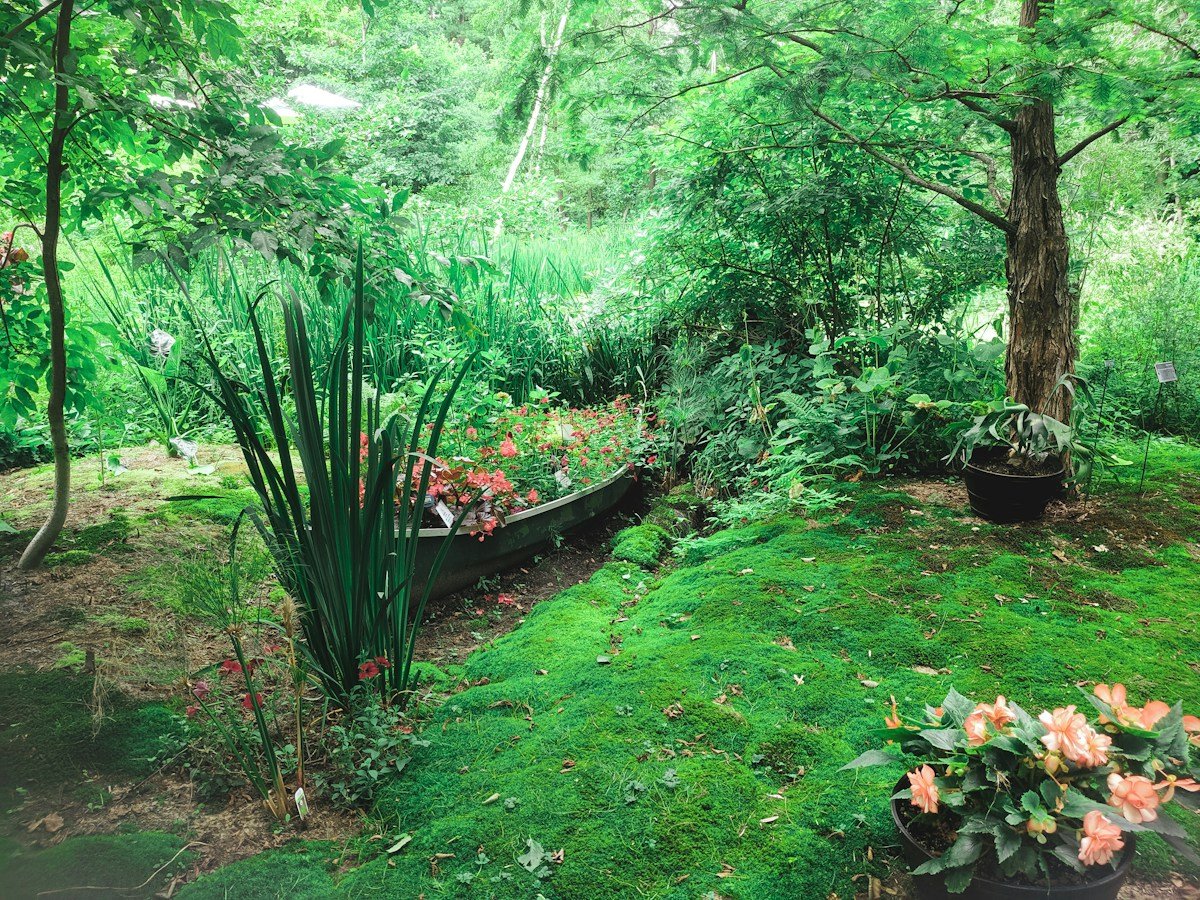
Few residential garden achievements compare to the breathless visual spectacle of a masterfully orchestrated perennial border. Unlike annual bedding plants that bloom furiously for a single summer before perishing at the first autumn frost, a perennial garden is an enduring biological tapestry that returns year after year—deepening its root architecture, expanding its crown, and unfolding in a dynamic, ever-changing dance with the seasons.
Yet, without an architectural plan, attempting a perennial flower bed often results in visual chaos: tall summer phlox flopping over low spring violas, jarring color clashes that agitate the eye, or expansive barren gaps where all plants bloom simultaneously in June and leave the bed looking completely dormant and uninspired through August, autumn, and winter.
Designing a continuous four-season perennial garden requires thinking like both a painter and an ecological architect. It demands that you balance floral bloom times, sculptural leaf textures, vertical heights, and winter skeletons into a coherent living composition. Here is your definitive, master-level blueprint for designing and cultivating a breathtaking perennial flower bed that captivates the senses throughout every month of the year.
Key Takeaways & Quick Summary
- Perennial design principles: arrange botanical groupings by mature height in three distinct tiers (foreground, mid-border, and background anchors).
- Continuous bloom sequencing: orchestrate early spring bulbs, mid-summer focal perennials, late autumn asters, and winter structural evergreens.
- Color wheel harmonies: blend analogous color palettes (pinks, purples, and blues) anchored with contrasting chartreuse foliage for vibrant visual energy.
- Plant in drifts of odd numbers: plant perennials in flowing waves of 3, 5, or 7 specimens rather than solitary isolated polka-dot placements.
- Winter interest architecture: preserve ornamental grass seed heads and structural coneflower cones to provide ecological habitat and frosty silhouettes.
Architectural Foundation: The Three-Tier Vertical Staging Rule
Tier 1: Background Spire Anchors (4 to 7 Feet)
Every dramatic perennial border requires a robust structural backdrop that grounds the eye and establishes vertical boundary definition. Position your tallest perennial architectural spires at the absolute rear of the bed against fences or wall surfaces, or along the central spine if designing an island bed visible from 360 degrees.
Premier structural spires include stately Delphiniums with towering cobalt flower spikes, architectural Foxgloves (Digitalis purpurea), Joe Pye Weed (Eutrochium fistulosum) with immense mauve-pink umbrella crowns, and upright ornamental grasses like Calamagrostis ‘Karl Foerster.’
These background anchors provide essential shelter against desiccating winds for mid-tier plants, establish privacy along residential property lines, and create a majestic wall of color that elevates the perceived scale of your entire yard.
Tier 2: Mid-Border Chromatic Body (2 to 3 Feet)
The mid-border forms the heart, mass, and primary chromatic engine of your perennial flower bed. This tier represents the highest concentration of long-blooming, high-impact flowering plants that deliver saturated color throughout summer and early autumn.
Anchor this zone with resilient, drought-tolerant powerhouses: Purple Coneflowers (Echinacea purpurea), Black-Eyed Susans (Rudbeckia fulgida), Russian Sage (Salvia yangii) with its hazy lavender-blue clouds, Siberian Irises, and structural Herbaceous Peonies featuring enormous fragrant blooms.
Interweave plants with varied flower shapes to avoid visual monotony: combine flat landing-pad floral umbels (Achillea / Yarrow) with spherical globes (Allium / Echinops) and vertical flowering wands (Salvia / Veronica).
Tier 3: Foreground Edging and Creeping Tapestries (6 to 18 Inches)
The front tier of the perennial bed is responsible for softening the harsh transition between the manicured lawn or stone garden path and the vertical border. Plants in this zone must possess clean, compact, non-invasive habits that stay tidy and upright without sprawling into walkways.
Exceptional foreground contenders include velvety Lamb’s Ear (Stachys byzantina), mounds of Lady’s Mantle (Alchemilla mollis) that capture morning dew droplets on scalloped leaves, hardy Cranesbill Geraniums (‘Rozanne’), and evergreen Creeping Phlox that blankets bed edges in a sea of spring color.
Incorporate varied foliage colors in this lower tier—such as silver Artemisia, burgundy Heuchera (Coral Bells), and variegated hostas—to ensure dynamic interest even when plants are not actively in bloom.
Editorial Pro Tip: When implementing architectural foundation: the three-tier vertical staging rule, consistency in planning and respecting material integrity yields far greater longevity than rushing to complete the work. Prioritize safety, ergonomic comfort, and enduring quality.
The Four-Season Choreography: Continuous Bloom Scheduling
Spring Awakening: Ephemerals and Early Bulbs
As winter snows melt and soil temperatures climb past 45°F, your perennial bed initiates its first chromatic chapter. Interplant hundreds of naturalizing spring bulbs directly between the dormant crowns of your summer perennials.
Layer early snowdrops and crocuses in March, transitioning to fragrant daffodils, grape hyacinths, and Darwin Hybrid tulips in April and May. As bulb foliage naturally yellows and dies back, expanding summer perennial leaves emerge from the soil, completely concealing the fading bulb foliage without requiring messy pruning.
Midsummer Symphony and Late Autumn Grandeur
July and August demand heat-tolerant varieties that thrive under intense solar irradiance. Combine vibrant Daylilies (Hemerocallis), aromatic Agastache (Anise Hyssop), and butterfly-attracting Butterfly Weed (Asclepias tuberosa).
As September arrives, while conventional gardens fade, a well-planned perennial border enters its most dramatic crescendo. New England Asters (Symphyotrichum novae-angliae), brilliant goldenrod (Solidago), and rich bronze Sedum ‘Autumn Joy’ explode in saturated autumn hues, providing essential nectar for migrating monarch butterflies.
Winter Architecture: Celebrating Form, Frost, and Seed Heads
Resist the outdated traditional habit of cutting down all perennials flush to the soil in late autumn. Leaving the rigid structural seed heads of coneflowers, sedums, and sea holly standing through winter creates breathtaking frost-etched silhouettes against falling snow.
Tawny, golden ornamental grasses catch low winter sunlight, rustle gently in freezing breezes, and provide critical winter shelter and nutritious seed forage for native songbirds.
Editorial Pro Tip: When implementing the four-season choreography: continuous bloom scheduling, consistency in planning and respecting material integrity yields far greater longevity than rushing to complete the work. Prioritize safety, ergonomic comfort, and enduring quality.
Soil Preparation, Root Establishment, and Sustainable Maintenance
Deep Bed Preparation and Soil Amendments
Unlike annuals whose roots only need to survive for a few months, perennials remain in place for decades. Invest time in deep soil preparation before planting: cultivate the bed to a depth of 14 to 18 inches, incorporating 3 to 4 inches of dark, well-aged compost and a generous application of mycorrhizal fungi.
Check soil pH: a balanced pH of 6.2 to 6.8 satisfies the vast majority of flowering perennials, unlocking essential micronutrients like iron, magnesium, and phosphorus for vibrant floral pigmentation.
The ‘Chelsea Chop’ and Deadheading Protocols
Extend flowering longevity through strategic pruning techniques. Practice the famed ‘Chelsea Chop’ in late spring (around late May): cut back late-summer bloomers like phlox, sedum, and asters by one-third to one-half. This delays blooming by two weeks, promotes bushier branching with double the flower buds, and keeps stems sturdy without requiring staking.
Deadhead spent blossoms promptly during summer to prevent plants from expending valuable metabolic energy on seed production, triggering a continuous second flush of vibrant blooms well into autumn.
Editorial Pro Tip: When implementing soil preparation, root establishment, and sustainable maintenance, consistency in planning and respecting material integrity yields far greater longevity than rushing to complete the work. Prioritize safety, ergonomic comfort, and enduring quality.
Comparative Decision Matrix
Use this structured comparison to weigh critical options, material requirements, cost allocations, and long-term performance.
| Botanical Layer | Plant Species Example | Bloom / Interest Period | Foliage Characteristic | Sun & Soil Requirement |
|---|---|---|---|---|
| Background Spire | Delphinium elatum / Foxglove | Late Spring to Mid-Summer | Deep cut emerald leaves; majestic spikes | Full sun; moist, humus-rich soil |
| Mid-Border Core | Echinacea purpurea (Coneflower) | July through September | Rough dark green foliage; daisy petals | Full sun; highly drought-tolerant |
| Mid-Border Textural | Salvia nemorosa (‘Caradonna’) | May to August (repeated flushes) | Aromatic sage foliage; deep violet wands | Full sun; sharp, well-draining soil |
| Foreground Ribbon | Alchemilla mollis (Lady’s Mantle) | Late Spring through Autumn | Scalloped chartreuse dew-holding leaves | Full sun to partial shade; adaptable |
| Winter Anchor | Miscanthus sinensis ‘Gracillimus’ | September through March | Fine textured arching blades; silky plumes | Full sun; tolerates heavy winter snows |
Frequently Asked Questions
How long does it take for a newly planted perennial flower bed to mature?
Gardeners follow the classic adage: ‘First year they sleep, second year they creep, third year they leap.’ During the first year, perennials invest 80% of their energy into subterranean root establishment. By year two, growth accelerates noticeably, and by year three, your perennial border reaches full, breathtaking maturity.
How do I prevent invasive perennials from taking over my flower bed?
Always research root habits before purchasing. Avoid aggressive rhizomatous spreaders like non-clumping mints, yellow loosestrife, or certain vigorous Artemisia species. Select clump-forming perennials, and divide mature root crowns every 3 to 4 years in early spring to maintain healthy, controlled boundaries.
What is the best mulch for a perennial flower bed?
Apply a 2-inch layer of double-shredded hardwood bark mulch or finely screened composted leaf mold. Avoid coarse wood nuggets or dyed red/black mulches, which decompose slowly and rob the soil surface of vital nitrogen.
Can I create a successful perennial bed in full shade?
Yes. Shade perennial borders are celebrated for their sophisticated foliage textures. Combine Japanese Forest Grass (Hakonechloa macra), large-leaf Hostas, Astilbes with feathery plumes, bleeding hearts (Dicentra), and delicate Maidenhair ferns.
When is the best time of year to plant a perennial garden?
Early autumn (September to October) is the absolute golden window for planting perennials. Soil is warm from summer, autumn rains provide steady moisture, and cooler air temperatures prevent transplant shock, allowing roots to establish deeply before winter dormancy.
Master Execution Roadmap & Preventive Troubleshooting
Critical Phase Milestones and Quality Verification
Every master-level home and design undertaking succeeds or stumbles on the discipline of its initial verification phase. Before committing resources or making irrevocable physical changes, establish a clear tolerance baseline. For structural, architectural, or soil-based projects, measure twice, verify microclimates, test load capabilities, and review long-term environmental factors. Never bypass diagnostic staging; spending 48 hours observing ambient sunlight, moisture patterns, or surface moisture barriers prevents thousands of dollars in premature remedial repairs.
Establish strict quality gates at the 25%, 50%, and 75% completion intervals. If a joint is out of square, a soil amendment shows abnormal alkalinity, or an undercoat fails adhesion testing, resolve the discrepancy immediately rather than hoping finish coats or surface dressing will conceal underlying flaws. True professional craftsmanship is distinguished by the uncompromising rigor applied to the structural layers that casual observers never see.
Common Mistakes, Diagnostic Indicators, and Solutions
One of the most pervasive missteps among homeowners is material over-saturation—whether that entails overloading biological soil with synthetic nitrogen, rushing multi-coat paint applications without complete drying windows, or crowding decorative furnishings without sufficient negative space. When materials cannot breathe, cure, or establish natural equilibrium, early failure is inevitable. Maintain patient curing windows, ensure ample ventilation, and give living ecosystems the biological time required to stabilize.
Another frequent hazard is neglecting ongoing preventative maintenance cycles. Design systems and home environments operate under dynamic seasonal forces—thermal expansion, humidity fluctuations, UV exposure, and microbial activity continuously alter physical dimensions and chemical balances. Formulate a semi-annual inspection schedule: inspect caulking seals, monitor organic mulch decomposition, audit electrical connections, and service mechanical hardware before minor wear deteriorates into major structural failure.
Final Verdict & Practical Action Plan
A thoughtfully designed perennial flower bed is a living heirloom that rewards your patience with compounding beauty every passing year. It transforms your outdoor living environment into a dynamic canvas of shifting colors, sweet botanical fragrances, and buzzing pollinator biodiversity.
As you walk your garden paths in late spring, noticing the first peony buds swelling, watching summer coneflowers sway in the afternoon breeze, and admiring frost-dusted grasses in mid-winter, you will appreciate the enduring magic of perennial gardening.
Begin with a modest 10-foot section along your patio or fence line: select three background anchors, five mid-tier bloomers, and a soft ribbon of foreground edging. With each passing season, your living tapestry will flourish into a breathtaking work of art.