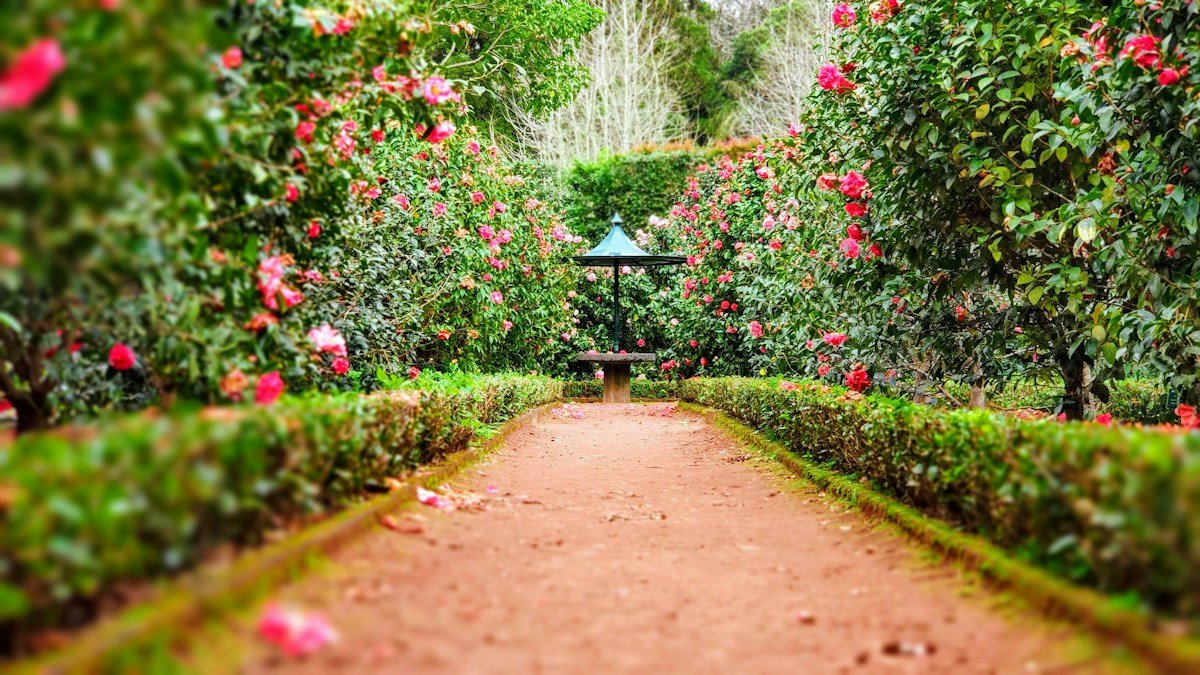
There is a profound, almost primal satisfaction in harvesting fresh food directly from your own backyard. Stepping outside in the gentle warmth of early morning, parting dew-dusted foliage, and plucking a sun-warmed heirloom tomato that smells intensely of rich soil and summer leaves is an experience that transforms how you perceive food, seasons, and self-reliance.
Yet, for thousands of aspiring gardeners, traditional in-ground gardening quickly devolves into exhausting frustration. Heavy, compacted native clay soils that turn to concrete in summer and swampy mud in spring, relentless invasions of subterranean weeds, encroaching grass roots, and poor drainage often lead to stunted harvests and aching backs before the first crop even ripens.
Raised bed vegetable gardening eliminates nearly all the structural obstacles of traditional in-ground cultivation. By elevating your growing zone above the natural grade, you achieve complete mastery over soil composition, guarantee flawless root drainage, extend your active growing season by weeks, and create an ergonomically comfortable, aesthetically stunning food sanctuary. Here is the comprehensive, step-by-step master guide to building and cultivating a thriving organic raised bed garden from scratch.
Key Takeaways & Quick Summary
- Raised beds provide absolute soil control: bypass poor native clay, heavy rocks, or urban contaminants with a custom organic soil matrix.
- The ideal dimensional formula: keep bed widths to a maximum of 4 feet (1.2m) to allow reaching the center without stepping on and compacting soil.
- Master the 40-40-20 soil blend: 40% composted organic matter, 40% coarse peat moss or coconut coir, and 20% agricultural perlite or vermiculite.
- Implement Hugelkultur bases: layer hardwood logs, branches, and leaves in the bottom third of deep beds to create moisture-retaining organic sponge reservoirs.
- Companion planting enhances yield and reduces pests: pair tomatoes with basil and marigolds to naturally repel hornworms and enhance soil vigor.
Anatomy of the Perfect Raised Bed: Materials, Dimensions, and Placement
Selecting the Ideal Lumber and Building Materials
The longevity and organic integrity of your garden bed depend directly on the structural material you select. The gold standard for wooden raised beds is naturally rot-resistant timber: Western Red Cedar, Redwood, or Black Locust. These wood species contain natural botanical tannins that resist fungal rot and insect infestation without the need for toxic chemical preservatives, delivering a working lifespan of 12 to 20 years in direct contact with wet soil.
If natural cedar is cost-prohibitive in your region, heat-treated (HT) Douglas Fir or Hemlock lumber offers a budget-conscious alternative, typically lasting 5 to 7 seasons. Always avoid older pressure-treated lumber manufactured prior to 2004, which contained toxic chromated copper arsenate (CCA) that can leach heavy metals into edible vegetable crops.
Modern corrugated galvanized and powder-coated steel modular beds (such as Zincalume beds) have also surged in popularity. High-grade coated metal beds will not rot, leach, or crack in sub-zero winter freezes, providing a sleek modern aesthetic and a lifespan exceeding 25 years.
The Golden Dimensional Rules: Width, Depth, and Ergonomics
When constructing or purchasing raised beds, dimensioning is not a matter of arbitrary preference; it is governed by human physical ergonomics. The most critical dimension is bed width: never build a raised bed wider than 4 feet (48 inches / 1.2 meters) if it is accessible from both sides, or wider than 2.5 to 3 feet if built against a fence or wall.
Why is the 4-foot limit absolute? The average adult human reach is approximately 24 inches. A 4-foot bed ensures you can easily reach the dead center of the planting surface from either side without ever placing a foot or knee onto the bed. The cardinal rule of organic gardening is: never step on your growing soil. Stepping on soil collapses microscopic pore spaces, crushing mycorrhizal fungal networks and suffocating root systems.
Regarding bed depth: while many shallow root vegetables (lettuce, radishes, spinach) can grow in 6 to 8 inches of soil, optimal deep-root development for tomatoes, root carrots, and brassicas requires a minimum soil depth of 12 to 18 inches. Deep beds (24 to 30 inches) provide superior thermal insulation against extreme summer heat and allow older gardeners to tend crops without bending or straining their lower backs.
Sun Exposure, Orientation, and Pathway Planning
Fruiting vegetable crops—such as tomatoes, peppers, eggplants, squash, and cucumbers—demand a minimum of 6 to 8 hours of direct, unobstructed sunlight daily to fuel photosynthesis and sugar production. Leafy greens (kale, chard, arugula) and root vegetables can tolerate partial afternoon shade (4 to 5 hours of sun).
Orient your raised beds along a North-to-South longitudinal axis whenever possible. A North-South orientation ensures that both sides of your planting beds receive balanced morning and afternoon sun exposure as the sun tracks across the sky, preventing tall trellis crops on one side from permanently casting shadows over shorter crops on the other.
Plan generous walkways between your raised beds. Paths should be at least 30 to 36 inches wide. This allows ample clearance to maneuver a heavy wheelbarrow, roll a garden cart, or work comfortably with garden tools without bumping into delicate plant foliage.
Editorial Pro Tip: When implementing anatomy of the perfect raised bed: materials, dimensions, and placement, consistency in planning and respecting material integrity yields far greater longevity than rushing to complete the work. Prioritize safety, ergonomic comfort, and enduring quality.
The Soil Matrix: Crafting Living, Nutrient-Dense Organic Earth
The Hugelkultur Foundation for Deep Beds
Filling a deep 24-inch or 30-inch raised bed entirely with premium bagged potting soil can be financially staggering. Fortunately, ecological gardening offers a vastly superior, cost-effective traditional technique: Hugelkultur (a German term meaning ‘mound culture’).
In the bottom 40 percent of your deep raised bed, lay down seasoned hardwood logs, fallen tree branches, and rough trimmings (such as oak, maple, birch, or fruitwood). Layer over these with coarse carbon materials: brown autumn leaves, untreated straw, and wood shavings. Thoroughly saturate this base with water.
Over the coming seasons, these subterranean logs act as a giant organic sponge, absorbing excess rainfall during spring deluges and slowly releasing moisture back up to root systems during blistering mid-summer droughts. As the wood slowly breaks down over 5 to 10 years, it feeds billions of beneficial soil microbes, generates gentle subterranean root warmth, and provides continuous, slow-release bio-nutrients.
The Proven 40-40-20 Growing Mix
For the upper 12 to 16 inches of your raised bed where plant roots actively feed, you must provide an open, fertile, living soil matrix. Never dump ordinary heavy backyard dirt into a raised bed; native soil settles and compacts within container walls, suffocating root development.
Instead, blend the legendary organic raised bed formula: 40 percent premium quality finished compost (mushroom compost, well-aged cattle manure, and worm castings), 40 percent moisture-retaining organic matter (coconut coir or screened sphagnum peat moss), and 20 percent aeration minerals (coarse agricultural perlite or vermiculite).
Incorporate organic mineral amendments into your initial blend: a generous dusting of agricultural gypsum or dolomitic lime to stabilize pH between 6.2 and 6.8, azomite rock dust for trace minerals, kelp meal for root-stimulating potassium, and bone meal for early phosphorus root establishment.
Editorial Pro Tip: When implementing the soil matrix: crafting living, nutrient-dense organic earth, consistency in planning and respecting material integrity yields far greater longevity than rushing to complete the work. Prioritize safety, ergonomic comfort, and enduring quality.
Companion Planting and High-Density Square Foot Spacing
Maximizing Yield in Limited Footprints
Traditional row gardening leaves wide barren trenches between single rows of crops, wasting nearly seventy percent of potential growing space on walkways. In raised beds, because you never step onto the growing surface, you can implement high-density companion planting and Square Foot Gardening methods.
Divide your 4×8 foot raised bed mentally into thirty-two individual 1×1 foot squares. In a single square foot, you can plant: 1 robust indeterminate tomato plant; or 4 head lettuces; or 9 spinach plants; or 16 sweet carrots. Foliage grows tightly together, creating a lush living canopy that shades the soil surface, prevents moisture evaporation, and naturally suppresses weed seed germination.
Strategic Botanical Companionships
Harness nature’s chemical pest defenses by interplanting mutually beneficial crops. Plant pungent culinary basil and vibrant French Marigolds alongside tomato roots. Marigold roots exude natural nematicides into the soil that suppress destructive root-knot nematodes, while the pungent volatile aromatic oils of basil repel hornworms and aphids.
Plant alliums—such as scallions, garlic chives, and onions—around the perimeter edges of brassicas (broccoli, cabbage, kale). The strong sulfurous scent of onions confuses and deters destructive cabbage white butterflies and flea beetles, eliminating the need for synthetic chemical insecticides.
Editorial Pro Tip: When implementing companion planting and high-density square foot spacing, consistency in planning and respecting material integrity yields far greater longevity than rushing to complete the work. Prioritize safety, ergonomic comfort, and enduring quality.
Irrigation and Seasonal Maintenance Protocols
Drip Irrigation vs. Overhead Sprinklers
Overhead hand watering with a hose or oscillating sprinkler is among the primary drivers of fungal disease in vegetable gardens. Splashing water drops transfer fungal spores from the soil onto lower plant leaves, creating the ideal damp conditions for early blight, powdery mildew, and bacterial leaf spot.
Install a low-pressure drip irrigation grid or perforated soaker hose system connected to a battery-operated tap timer. Drip irrigation delivers slow, measured water directly to the root zone at the soil level, minimizing evaporation loss by up to 60 percent and keeping upper leaves completely dry and disease-free. Water deeply in the early morning hours between 5:00 AM and 8:00 AM, allowing soil moisture to penetrate 8 inches down.
The Magic of Organic Mulching
Never leave the surface of your raised bed soil bare to the sun and wind. Bare soil bakes under summer heat, crusts over, and loses its microbial life. Apply a 2- to 3-inch layer of clean, organic mulch over your beds—such as shredded seed-free straw, dried pesticide-free grass clippings, or shredded hardwood leaves.
Mulch maintains cool root temperatures during heatwaves, prevents moisture evaporation, stops soil erosion during heavy rains, and slowly decomposes to feed earthworms and soil bacteria throughout the growing season.
Editorial Pro Tip: When implementing irrigation and seasonal maintenance protocols, consistency in planning and respecting material integrity yields far greater longevity than rushing to complete the work. Prioritize safety, ergonomic comfort, and enduring quality.
Comparative Decision Matrix
Use this structured comparison to weigh critical options, material requirements, cost allocations, and long-term performance.
| Vegetable Crop | Spacing in Raised Bed | Days to Maturity | Companion Plant Allies | Essential Soil Need |
|---|---|---|---|---|
| Indeterminate Tomatoes | 1 plant per 18-24 inches | 70 – 85 days | Basil, Marigolds, Carrots | High organic compost; consistent deep watering |
| Bell & Chili Peppers | 1 plant per 12-14 inches | 65 – 80 days | Parsley, Onions, Oregano | Warm soil >65°F; balanced nitrogen & potassium |
| Tender Leaf Spinach | 9 plants per square foot | 35 – 45 days | Strawberries, Radishes | Cool weather; nitrogen-rich compost tea |
| Heirloom Carrots | 16 plants per square foot | 60 – 75 days | Rosemary, Lettuce, Chives | Loose, stone-free sandy loam; steady moisture |
| Bush Green Beans | 4-6 plants per square foot | 50 – 60 days | Corn, Cucumbers, Savory | Inoculated soil; fixes atmospheric nitrogen |
Frequently Asked Questions
How often should I water my raised bed vegetable garden?
Because raised beds drain so efficiently, they require more frequent moisture monitoring than in-ground plots. In spring, watering deeply 2 to 3 times per week is generally sufficient. During peak summer heatwaves, deep daily watering in the early morning may be required. Test by inserting your index finger two inches into the soil: if it feels dry at your second knuckle, it is time to water.
Do I need to replace the soil in my raised beds every year?
No. You should never discard your raised bed soil. Instead, refresh it annually. At the start of each spring and autumn planting cycle, simply top-dress your beds with 2 to 3 inches of rich, finished organic compost, a cup of balanced organic granular fertilizer, and worm castings. Earthworms and soil microbes will naturally work these nutrients down into the deeper soil layers.
How do I keep burrowing pests like gophers and moles out of my beds?
Line the interior bottom of your wooden or metal beds with 1/2-inch galvanized hardware cloth (wire mesh) before adding soil, stapling it securely to the lower wooden frame. This heavy wire barrier completely prevents gophers, moles, and voles from burrowing upward into your vegetable root zone while allowing excess water and deep roots to pass through.
Can I grow vegetables in raised beds without full sunlight?
While fruiting crops (tomatoes, peppers, melons) require 6 to 8 hours of direct sun, you can cultivate abundant harvests of leafy greens and roots with only 3 to 4 hours of dappled sunlight. Kale, swiss chard, lettuce, radishes, beets, and culinary herbs flourish in partial shade, and the cooler conditions actually prevent them from bolting (prematurely flowering) in summer.
What is the best way to prevent weeds in raised beds?
Raised beds naturally experience 80% fewer weeds because you use weed-free soil blends and never step on the beds. To stop windblown weed seeds, always maintain a 2- to 3-inch layer of clean straw or shredded leaf mulch over all exposed soil, and pull any stray weeds immediately by hand while they are young seedlings.
Final Verdict & Practical Action Plan
Building and cultivating an organic raised bed vegetable garden is one of the most empowering, restorative commitments you can make for your household. It connects your family directly to the rhythm of the seasons, teaches children where real food comes from, and provides a daily source of outdoor mindfulness away from glowing digital devices.
As you watch tiny black seeds transform over weeks into lush green canopies laden with crisp beans, aromatic herbs, and sweet ripening tomatoes, you will realize that gardening is not merely an activity; it is a life-affirming conversation with the natural world.
Start with just one or two well-constructed 4×8 beds. Build them with rot-resistant cedar, fill them with living compost-rich soil, set up gentle drip irrigation, and plant the vegetables your family loves to eat. The abundant, delicious harvests that follow will reward your efforts for decades to come.