Modern humans spend, on average, more than ninety percent of their lives indoors. Enclosed within insulated drywall envelopes, staring into glowing digital screens, and breathing conditioned artificial air, we have severed the primordial connection that sustained our species across hundreds of thousands of years of evolutionary development. The biological consequences of this radical environmental dislocation are profound: elevated baseline cortisol levels, chronic sensory fatigue, impaired focus, and disrupted sleep architectures.
Biophilic interior design emerges as the definitive antidote to modern indoor malaise. Coined by biologist Edward O. Wilson in the 1980s, the term ‘biophilia’ defines humanity’s innate, genetically hardwired affinity for the natural living world. In architectural and interior practice, biophilic design is not simply an aesthetic decorating trend centered on buying trendy fiddle-leaf fig trees; it is an evidence-based methodology that integrates natural patterns, light dynamics, tactile materials, and organic geometries directly into our built living environments.
Scientific research consistently reveals that homes designed with biophilic principles measurably reduce blood pressure, enhance cognitive problem-solving, and cultivate profound states of domestic tranquility. When you introduce nature into your living environment, your nervous system recognizes that it is in a safe, nourishing ecosystem. Here is the comprehensive blueprint for infusing your home with the restorative intelligence of nature.
Key Takeaways & Quick Summary
- Biophilic design transcends adding a few houseplants; it is an evidence-based architectural philosophy connecting human biology to natural systems.
- Incorporate organic fractals: recurring geometric patterns found in natural timber, leaf veins, and stone veining reduce physiological stress by up to 60%.
- Prioritize dynamic circadian daylighting: optimize window exposures with light-filtering sheer linen and position work desks perpendicular to natural light.
- Integrate non-visual natural stimuli: introduce subtle indoor water fountains, acoustic sound dampening with acoustic wood slats, and botanical scents.
- Embrace honest material provenance: replace synthetic plastics and laminates with unfinished timber, honed clay, breathable wool, and textured stone.
The Three Dimensions of Biophilic Architecture
Dimension 1: Nature in the Space (Direct Sensory Contact)
The most intuitive expression of biophilic design involves incorporating tangible, living natural elements directly into your interior environment. This includes living botanicals, natural ventilation currents, dynamic daylighting, flowing water, and visible weather changes.
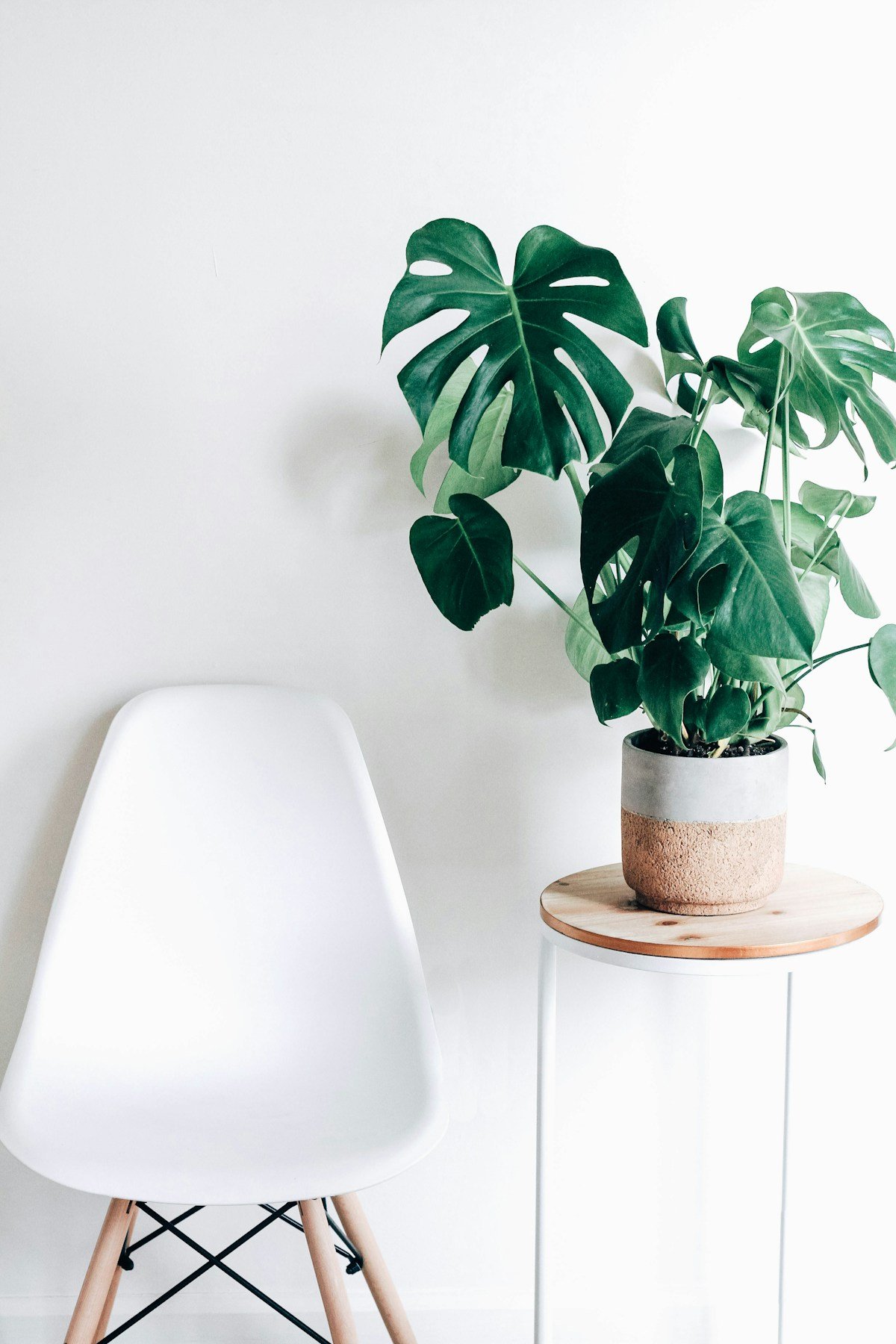
Rather than scattering random small potted plants haphazardly across tables, approach indoor greenery with architectural intent. Group plants in symbiotic botanical clusters at varied heights: tall floor-standing trees (such as Ficus Audrey or Olive trees) paired with mid-tier foliage (Monstera Deliciosa or Bird of Paradise) and trailing climbers (Pothos or Philodendron). This mimics the natural vertical canopy strata of a healthy forest.
Air movement is an equally crucial yet frequently neglected direct natural element. Stagnant indoor air increases lethargy. Incorporate quiet, low-velocity oscillating fans or open double-hung windows across opposite walls to create natural cross-ventilation breezes that gently rustle curtains and stimulate indoor air circulation.
Dimension 2: Natural Analogues (Indirect Representations of Nature)
Natural analogues are non-living representations that evoke the visual, textural, and geometric logic of the outdoor world. This encompasses organic silhouettes, curved furniture edges, botanical textile motifs, and natural earth-derived color palettes.
In nature, true right angles and straight lines are exceptionally rare. Natural forms are defined by biomorphic curves, gentle arcs, and organic undulations. When selecting furniture and architectural elements, seek out contoured sofas, oval dining tables with rounded bullnose edges, and arched doorways that mirror the sweeping geometry of river stones and tree canopies.
Pay particular attention to fractal patterns. Studies conducted by neuroscientists demonstrate that observing natural fractals—repeating self-similar patterns found in pinecones, tree bark, and fern fronds—triggers alpha waves in the human brain, which correspond to relaxed yet alert mental states.
Dimension 3: Nature of the Space (Spatial Configurations)
The third dimension relates to how an interior space is configured to evoke human evolutionary preferences for survival: specifically, the balance between ‘Prospect’ (an open view of your surroundings) and ‘Refuge’ (a secure, protective shelter).
Human beings naturally experience anxiety in rooms where their backs are exposed to open doorways or high-traffic pathways. Position your primary sofa and work desk in a ‘command position’—backed against a solid wall with an unobstructed sightline toward the room’s main entrance and exterior windows. This satisfies the brain’s instinctual need for safety and psychological grounding.
Simultaneously, create designated ‘refuge’ micro-spaces: an intimate reading alcove tucked into a quiet corner, complete with deep seating, a low-hung lamp, and a surrounding wall of books that cocoons the occupant away from household activity.
Editorial Pro Tip: When implementing the three dimensions of biophilic architecture, consistency in planning and respecting material integrity yields far greater longevity than rushing to complete the work. Prioritize safety, ergonomic comfort, and enduring quality.
Material Provenance: The Healing Power of Natural Textures
Replacing Synthetic Polymers with Honest Minerals
Every synthetic surface in your home—from vinyl luxury plank flooring to polyester velvet upholstery—subconsciously registers to your tactile receptors as artificial. In contrast, authentic natural materials possess subtle micro-variations in temperature, density, and grain that stimulate the human sensory cortex in deeply calming ways.
Commit to authentic material provenance throughout your interior surfaces. Replace synthetic laminate countertops with honed soapstone, natural slate, or porous limestone. When your bare hands touch a cool stone surface or brush across the warm, open grain of an unfinished white oak dining table, your brain receives tangible confirmation of its connection to the earth’s raw materials.
Incorporate tactile natural textiles throughout your upholstery and soft furnishings. Layer unbleached linen, raw tussar silk, heavy organic hemp canvas, and untreated sheared wool. These materials age gracefully, developing authentic character and patinas that reflect the passage of time.
The Acoustic Sanctuary: Dampening Noise with Natural Materials
A truly biophilic interior addresses the ear as comprehensively as the eye. Hard, reflective modern surfaces—such as drywall and polished ceramic tiles—cause domestic sound to ricochet, producing an invisible acoustic haze that elevates background stress and mental fatigue.
Introduce natural acoustic dampening solutions. Install vertical architectural wall panels crafted from sustainable acoustic wood felt and solid timber slats. Layer dense, hand-tufted wool rugs over thick natural rubber rug pads. Position dense, broad-leaf indoor plants in room corners; plant leaves actively scatter and absorb high-frequency sound waves, creating a noticeably quieter, forest-like acoustic hush.
Editorial Pro Tip: When implementing material provenance: the healing power of natural textures, consistency in planning and respecting material integrity yields far greater longevity than rushing to complete the work. Prioritize safety, ergonomic comfort, and enduring quality.
Dynamic Circadian Lighting and Visual Well-Being
Synchronizing Interiors with the Solar Cycle
Human hormonal biology is tightly governed by the 24-hour solar cycle. Morning sunlight—rich in high-energy blue wavelengths—triggers the suppression of melatonin and releases energizing cortisol to awaken the body. As dusk descends, the sun shifts into warm, amber frequencies, signaling our pineal gland to initiate sleep preparation.
Align your indoor lighting with this biological rhythm. Maximize daytime natural sunlight penetration by replacing heavy, opaque window drapery with airy sheer linen curtains that soften glare while admitting vital daylight. Position your primary home workstation perpendicular to a window, allowing you to glance up from screens and focus on distant outdoor trees, which exercises optical muscles and prevents digital eye strain.
After sunset, transition your artificial illumination entirely to warm 2200K to 2700K light sources positioned at or below eye level, mimicking the gentle radiance of a primitive campfire.
Olfactory Biophilia: Therapeutic Natural Aromatics
The human olfactory bulb is directly hardwired to the limbic system, the ancient brain center that regulates emotion and memory. Chemical air fresheners and synthetic plug-in fragrances emit volatile organic compounds (VOCs) that irritate respiratory tracts and trigger allergic sensitivities.
Harness true olfactory biophilia using authentic botanical essential oils and living flora. Diffuse pure steam-distilled cedarwood, frankincense, eucalyptus, and wild bergamot through cold-mist ultrasonic diffusers. Position fragrant living herbs—such as rosemary, lavender, and sweet basil—on sunny kitchen windowsills where brushing against their foliage releases calming terpenes into your daily environment.
Editorial Pro Tip: When implementing dynamic circadian lighting and visual well-being, consistency in planning and respecting material integrity yields far greater longevity than rushing to complete the work. Prioritize safety, ergonomic comfort, and enduring quality.
Comparative Decision Matrix
Use this structured comparison to weigh critical options, material requirements, cost allocations, and long-term performance.
| Biophilic Element | Target Indoor Application | Biological / Health Benefit | Key Implementation Rule |
|---|---|---|---|
| Architectural Foliage | Ficus / Strelitzia / Epipremnum | Reduces airborne VOCs; lowers baseline heart rate | Group in trios of varying heights to replicate canopy strata |
| Circadian Daylight | Perpendicular window desk positioning | Supports natural melatonin & cortisol balance | Use lightweight sheer linen drapes to filter harsh direct glare |
| Acoustic Wood Slats | Living room accent walls / corridors | Dampens harsh room echo; lowers sensory fatigue | Install over recycled PET acoustic felt backing |
| Unfinished Timber | Solid oak / walnut dining & side tables | Tactile warmth reduces sympathetic nervous arousal | Finish with natural beeswax or organic linseed oil |
| Biomorphic Geometry | Curved sofas / arched architectural niches | Softens visual processing stress vs. sharp 90° corners | Ensure smooth circulation around curved furniture contours |
Frequently Asked Questions
What are the best low-maintenance plants for biophilic design beginners?
The most resilient, forgiving indoor plants for beginners include the Snake Plant (Sansevieria), ZZ Plant (Zamioculcas zamiifolia), Pothos (Epipremnum aureum), and Cast Iron Plant (Aspidistra elatior). These species thrive in varied lighting conditions, tolerate sporadic watering, and provide robust, lush green architectural foliage.
Can biophilic design be implemented in a windowless room or basement?
Yes. In spaces with limited or zero natural daylight, focus on non-visual biophilic elements: install high-CRI full-spectrum circadian LED lighting fixtures programmed to cycle through daylight temperatures, incorporate real timber wall paneling, introduce an ambient tabletop water fountain, and diffuse genuine cedarwood and pine botanical essential oils.
How does biophilic design differ from simply having house plants?
Houseplants are only one small component of biophilia. True biophilic design addresses the complete sensory ecosystem: maximizing circadian natural light, incorporating organic curves instead of harsh angles, dampening acoustic reverberation with natural fibers, choosing authentic raw materials (stone, wool, timber), and organizing spatial sightlines for human psychological security.
Is biophilic design expensive to execute?
Not necessarily. Simple high-impact interventions cost very little: rearranging furniture to face natural light, clearing window sills, propagating hardy indoor plants from cuttings, replacing synthetic air fresheners with essential oils, and incorporating natural beach stones or weathered branches into your tabletop decor are all budget-friendly practices.
How does biophilic design improve remote work productivity?
Studies in environmental psychology demonstrate that workers in biophilic environments experience up to 15% higher productivity, reduced mental fatigue, and improved problem-solving capacity. Glancing at natural elements between cognitive tasks provides ‘micro-restorative breaks’ that refresh mental focus.
Final Verdict & Practical Action Plan
Biophilic interior design is far more than a decorative style; it is a profound declaration of biological empathy for ourselves and our families. It acknowledges that beneath our sophisticated digital lives and urban schedules, we remain biological organisms intrinsically linked to the living systems of our planet.
By transforming your home into a biophilic sanctuary—where morning sunlight washes across tactile plaster, where living greenery rustles in a gentle breeze, and where authentic timber grains ground your daily rituals—you create an environment that actively replenishes your vitality rather than draining your mental reserves.
Start today with a single mindful shift: open your curtains to welcome morning light, introduce a hardy architectural plant to your primary workspace, and let the quiet, timeless restorative intelligence of nature take root in your home.
Long-Term Biophilic Maintenance and Seasonal Adaptation
Sustaining Indoor Living Systems Across Seasons
Sustaining a biophilic home requires understanding that nature is dynamic, seasonal, and constantly evolving. During winter months, when outdoor daylight hours diminish and forced-air heating dry out indoor humidity levels, your indoor botanical companions require calibrated adjustments. Group plants together on pebble humidity trays to create micro-climates of elevated moisture, wipe broad foliage with damp microfiber cloths to remove airborne dust, and reduce watering frequency to honor natural dormant cycles.
Conversely, during spring and summer transitions, rotate your potted specimens a quarter turn each week so that all sides receive balanced exposure to strengthening solar angles. Introduce organic seaweed extracts or compost teas monthly to replenish micro-nutrients, and open double-hung windows during evening hours to invite cooling nighttime thermal breezes deep into your sleeping quarters. By attuning your domestic routines to the macro-cycles of the natural world, your living space remains a vibrant, responsive sanctuary year-round.